

I’ve seen too many businesses pour money into digital products that are outdated before they even launch.
You’re probably dealing with slow load times, security patches that never end, or a platform that costs more to maintain than it does to run. That’s technical debt. And it’s eating your budget.
Here’s the reality: most digital products are built on old foundations. They look modern on the surface but underneath? It’s a mess waiting to happen.
Defstupgamible fully teched out from defstartup takes a different approach. We build with the newest technology from day one. Not as an upgrade later. Not as a nice-to-have feature. From the start.
This article breaks down why that matters for your business. I’ll show you what happens when you prioritize modern tech in the development process instead of treating it like an afterthought.
You’ll see the real benefits: faster performance, better security, and lower costs down the road. No fluff about innovation. Just practical reasons why starting with the right tech foundation changes everything.
If you’re planning a new project or rebuilding an existing platform, this is what you need to know before you write the first line of code.
The Foundational Difference: ‘Tech-Native’ vs. ‘Tech-Adapted’
A developer I know put it best.
“We spent six months trying to add AI features to our platform. Turns out our whole database structure was fighting us the entire way.”
That’s the problem with tech-adapted systems.
You build something that works. Then a few years later, you try to add new capabilities. But your foundation wasn’t built for it.
I call this the bolt-on approach. You’re essentially taking a system designed in 2015 and trying to make it work like it was built yesterday.
It doesn’t work.
Tech-native is different. You start with modern architecture from day one. Your system is designed to handle the tools and frameworks that matter right now.
Think about it like building a house. You can either wire it for smart home tech during construction, or you can try running cables through finished walls later. One is clean. The other is a mess.
Here’s what separates the two approaches.
Tech-adapted systems use monolithic architecture. Everything’s connected to everything else. Change one thing and you risk breaking ten others.
Tech-native systems use API-first design. Each component talks to the others through clean interfaces. You can swap out pieces without tearing down the whole structure.
A CTO at a fintech startup told me something I won’t forget.
“When we rebuilt our platform as cloud-native, our deployment time went from three days to thirty minutes. Same features. Different foundation.”
That’s the difference we’re talking about.
Microservices architecture means your system isn’t one giant block of code. It’s separate services that work together. One fails? The others keep running.
Cloud-native infrastructure means you’re not tied to physical servers sitting in a closet somewhere. You scale up when you need to and scale down when you don’t.
Defstupgamible represents this shift. Building systems that are ready for what comes next, not just what exists today.
The old model worked fine when technology moved slower.
Not anymore.
The Strategic Advantages of Starting with Cutting-Edge Tech
I’ll never forget the day our old system crashed during a product launch.
We had 10,000 people trying to access the platform at once. The whole thing just froze. Our team scrambled for hours while customers complained on social media.
The problem? We’d built on outdated infrastructure and kept patching it year after year.
That’s when I learned something important. Starting with old tech and upgrading later doesn’t just cost more. It fundamentally limits what you can do.
Unparalleled Performance and Speed
When you build on modern frameworks from day one, you skip the baggage.
No legacy code slowing things down. No workarounds for systems that weren’t designed for today’s demands.
I’ve seen platforms built on cloud infrastructure handle traffic spikes that would’ve killed older systems. Load times drop from seconds to milliseconds. Processing happens in real time instead of batches.
Your users notice. They don’t know why your app feels faster, but they feel it.
Security by Design, Not by Afterthought
Here’s what most people get wrong about security.
They think you can just add it later. Patch the holes as you find them.
But when you integrate Zero Trust principles and automated threat detection into your core architecture, you’re building something different. The security isn’t bolted on. It’s woven into how the system works.
I watched a company spend six figures trying to retrofit modern security into their old platform. They still had vulnerabilities because the foundation wasn’t designed for it.
Built-in Scalability and Future-Proofing
The real advantage shows up when you need to grow.
A modular architecture built with defstupgamible fully teched out from defstartup scales without breaking. You add users and data without rebuilding everything.
And when new technology comes along? You integrate it. You don’t start over.
I’ve seen teams add AI capabilities to modern systems in weeks. The same upgrade on legacy platforms took months and cost ten times more.
That’s the difference between planning for the future and hoping your old system can handle it.
The Development Lifecycle in a Tech-First Environment
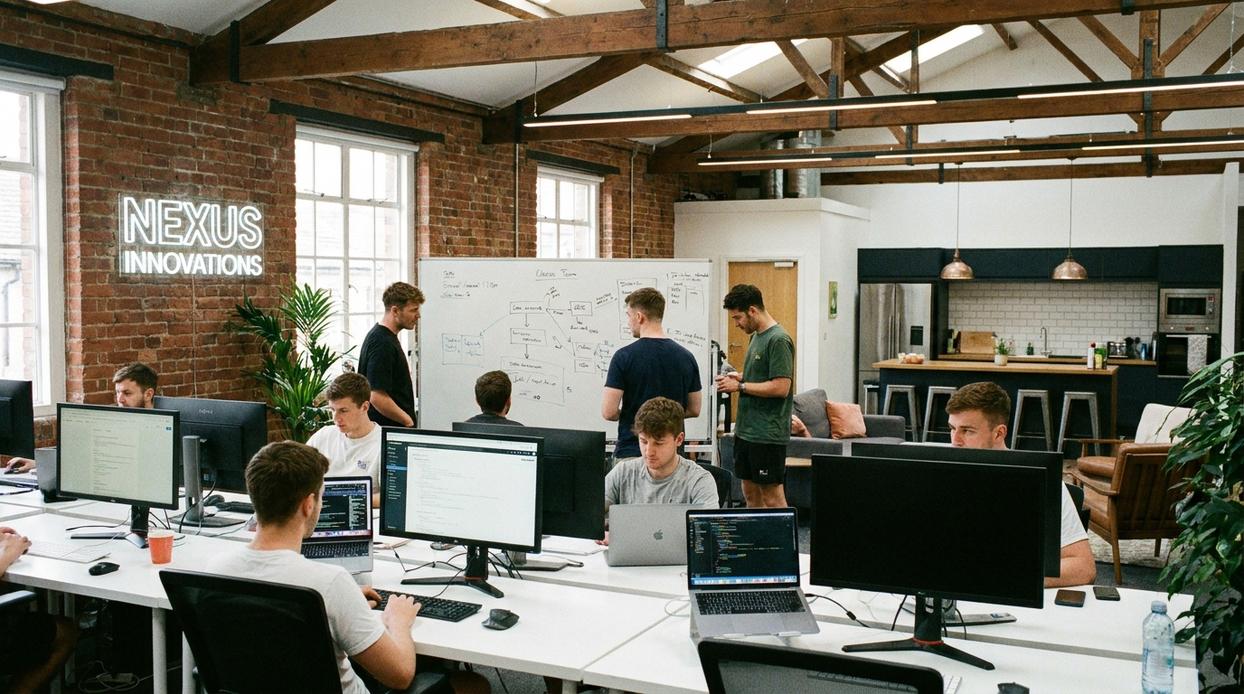
Most development teams I talk to are stuck in the same trap.
They build fast but break things constantly. Or they move so carefully that competitors beat them to market.
Here’s what I’ve learned after watching countless projects succeed and fail. You need a process that lets you move quickly without sacrificing quality.
Some developers argue that planning is overrated. They say you should just start coding and figure it out as you go. And sure, that works for weekend projects.
But when you’re building something that needs to scale? That approach falls apart fast.
Let me walk you through how this actually works when you get it right.
Stage 1: Strategic Architectural Blueprinting
This is where you pick your tech stack.
I’m talking about your languages, databases, and cloud services. The stuff that’ll power everything you build.
Most teams make the mistake of choosing based on what’s popular right now. They see everyone using a certain framework and assume it’s the right choice.
Wrong move.
You need to think about where your project will be in two years. What happens when you need to handle 10x the traffic? What if you need to add features you haven’t even thought of yet?
The benefit here is simple. Pick the right foundation now and you won’t need to rebuild everything later. I’ve seen companies waste months migrating to new systems because they chose poorly at the start.
Here’s what to consider:
| Decision Point | Short-Term View | Long-Term View |
|—————|—————-|—————-|
| Database Choice | What’s easiest to set up | What scales with your data growth |
| Cloud Provider | Lowest initial cost | Best performance at scale |
| Programming Language | What your team knows | What attracts top talent |
When you align your tech choices with your actual vision, you save yourself from painful rewrites down the road.
Stage 2: Agile Development with Continuous Integration
Now we get to the part where most teams either thrive or die.
Automated pipelines change everything. You write code, push it, and the system automatically builds it, tests it, and gets it ready for deployment.
No waiting around. No manual handoffs that break things.
I know what you’re thinking. Setting this up sounds complicated. And yeah, it takes some work upfront.
But here’s the payoff.
Your team can ship new features without worrying about breaking what already works. The automated system catches problems before users ever see them. You can release updates daily instead of quarterly.
Think about when potamosoupa do you need full service event marketing defstupgamible and how timing matters. Same principle applies here. When you can deploy fast, you can respond to what your users actually need.
The real benefit? Your developers stop being scared of shipping code. They know the safety nets are in place.
Stage 3: Comprehensive Automated Quality Assurance
This is where defstupgamible fully teched out from defstartup really shines.
Automated testing covers three things. Performance, security, and functionality.
You can’t manually test at the speed modern products demand. It’s impossible. Your QA team would need to be massive and they’d still miss things.
Automated tests run every single time code changes. They check if your app loads fast enough. They look for security holes. They make sure every feature works exactly as expected.
I’ve watched teams catch critical bugs at 2 AM when no one was even working. The automated system flagged the issue before it reached production.
The benefits stack up fast:
You ship stable products. Your users don’t become your beta testers. You sleep better knowing problems get caught early.
Manual testing has its place. But for speed and coverage, automation wins every time.
When you put all three stages together, you get something powerful. A development process that moves fast without falling apart. You can iterate based on real feedback instead of guessing what might work.
That’s the difference between teams that struggle and teams that scale.
The Real-World Impact: What This Means for Businesses and Users
Here’s my take on this.
Most companies talk about technical architecture like it’s some abstract concept that only engineers care about. But that’s missing the point entirely.
The way you build something affects everyone who touches it.
For Businesses
I’ve watched too many companies burn cash on maintenance that shouldn’t exist. They patch systems that were broken from day one. They hire teams just to keep the lights on.
That’s backwards.
When you get the foundation right, your total cost of ownership drops. Not by a little. By a lot. You spend less time fixing things and more time building what actually matters.
Updates become simple instead of terrifying. And you avoid those massive overhauls that eat budgets and kill momentum (we’ve all seen projects like that crash and burn).
What really gets me excited though? Time to market. You can ship new features faster because you’re not fighting your own infrastructure. That’s where defstupgamible fully teched out from defstartup makes the difference.
For End-Users
Now let’s talk about what users actually experience.
They don’t care about your tech stack. They care that things work.
Fast loading. No crashes. Security that doesn’t feel like an afterthought.
But here’s what separates good products from great ones. The ability to keep getting better. Users stick around when they see a product that works today and gets globally otikenasupa teched out defstupgamible features tomorrow.
That’s the real payoff.
The Non-Negotiable Advantage of a Modern Foundation
You came here to understand why starting with the latest technology matters.
I’ve shown you the answer. Old foundations create problems you can’t fix with patches and workarounds.
Poor performance. Security holes. Systems that can’t scale when you need them to.
These aren’t minor inconveniences. They’re deal-breakers that cost you time and money.
When you build defstupgamible fully teched out from defstartup, you skip all of that. Your product launches strong and stays that way.
The architecture you choose today determines what’s possible tomorrow. A modern foundation keeps you agile when the market shifts and your users demand more.
Here’s what matters: Your competitors are making this choice right now. The ones who start with outdated tech will spend years catching up (if they ever do).
You don’t have that kind of time to waste.
Start with the right foundation. Build something that works today and adapts to whatever comes next.
That’s not a luxury anymore. It’s how you win.
