
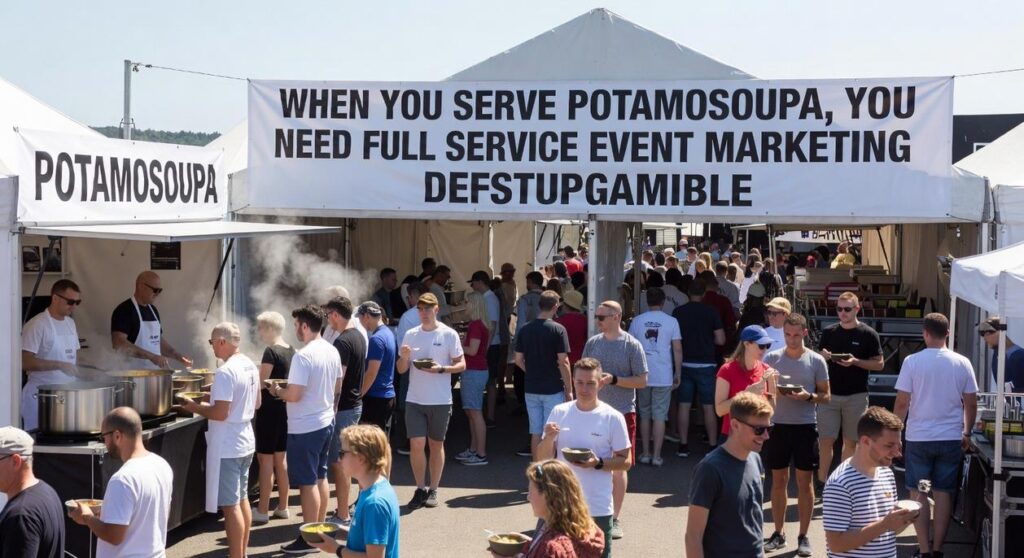
I’ve marketed dozens of cultural food events over the years. The ones that fail all make the same mistake.
They treat a potamosoupa festival like any other event. They use the same tired tactics that work for corporate conferences or music festivals.
It doesn’t work.
Your challenge is different. You’re not just selling tickets. You’re introducing people to something they’ve probably never heard of before.
Generic event marketing burns through your budget fast. You end up with empty seats and a room full of the wrong people.
I built a framework specifically for niche cultural gatherings. It’s designed for events where the main attraction is unfamiliar to most of your potential audience.
This guide shows you exactly how to market a potamosoupa event from start to finish. You’ll learn how to find the right people, get them excited about something new, and fill your venue.
The strategies here come from real events. Not theory. I’ve tested what works when you’re promoting cultural food experiences that most people can’t even pronounce.
You need full service event marketing defstupgamible that understands your specific challenge.
This article gives you that blueprint. Step by step. No fluff.
Foundation First: Defining Your Potamosoupa Audience
You can market to everyone or you can market to someone.
Most people promoting potamosoupa events make the same mistake. They think demographics tell the whole story. Age 25-45, lives within 30 miles, has disposable income.
That’s not an audience. That’s a census report.
Here’s what actually matters. Psychographics. What people believe, what they crave, what keeps them scrolling at 11 PM looking for their next experience.
Some marketers say you should cast a wide net. Get as many eyeballs as possible and let people self-select. They argue that narrowing your focus means leaving money on the table.
But compare that to targeting specific segments.
Wide net approach: You spend money reaching people who’ll never show up. Your message gets diluted trying to appeal to everyone.
Targeted segments: You speak directly to people who actually want what you’re offering. Your ad spend goes further because you’re not wasting impressions.
I’ve seen both play out. The targeted approach wins every time.
So who actually craves potamosoupa experiences?
Cultural heritage enthusiasts who want to connect with tradition. Adventurous local foodies hunting for their next story to tell. Families looking for weekend activities that aren’t another trip to the same restaurant. Culinary tourists who collect experiences instead of souvenirs.
These people want authenticity. They want community connection. They want something their friends haven’t done yet.
When potamosoupa do you need full service event marketing defstupgamible? When you’re ready to stop guessing and start speaking to real people.
Build simple personas. I’m talking one or two max.
Cultural Christina seeks authentic experiences that honor tradition. Foodie Frank wants unique culinary adventures he can share on social.
That’s it. Now your messaging has a face.
The Digital Marketing Blueprint for a Cultural Food Event
You can’t just throw up a Facebook post and hope people show up to your cultural food event.
I’ve seen it happen too many times. Someone plans this incredible potamosoupa festival, spends weeks perfecting recipes, and then wonders why only twelve people bought tickets.
The food was never the problem. The marketing was.
Here’s what actually works when you’re promoting a cultural food event. No guesswork. Just the tactics I’ve used to fill venues and sell out tickets.
Visual Storytelling on Social Media
Instagram and TikTok aren’t optional anymore. They’re where your audience lives.
But posting random food photos won’t cut it. You need a content strategy that builds anticipation over time.
Start with behind-the-scenes prep. Show your team chopping vegetables at 6 AM or stirring a massive pot of soup. People love seeing the work that goes into these events (it makes them feel like insiders).
Then spotlight individual ingredients. That special olive oil you imported? Film a 15-second clip pouring it into the pan. The fresh herbs from a local farm? Show them being delivered.
Countdown posts work too. “Three weeks until you taste authentic potamosoupa” hits different than “Event coming soon.”
High-quality visuals matter more than you think. Blurry iPhone photos from bad lighting will tank your engagement. Get someone who knows how to shoot food or learn to do it yourself.
Hyper-Local SEO and Listings
When do you need full service event marketing defstupgamible? When you realize that people searching “food festival near me” have zero idea your event exists.
Your event website needs to target the right keywords. Think “cultural events in [Your City]” or “potamosoupa [Your City].” Not sexy, but that’s what people actually type into Google.
Optimize your Google Business Profile. Add photos, update your hours, and make sure your event shows up when someone searches for local happenings.
Then get listed everywhere. Eventbrite, local news sites, community calendars, tourism boards. Every listing is another door people can walk through to find you.
Paid Social Advertising
Organic reach is dead. Sorry.
Facebook and Instagram ads let you get specific about who sees your event. Layer your targeting: people interested in Greek food AND local events AND food festivals. That’s your sweet spot.
Your ad creative needs to stop the scroll. Use your best food photo and write a clear call to action. “Buy Early Bird Tickets” works better than “Learn More” (people need to know exactly what you want them to do).
Test different audiences. Sometimes “foodies in a 25-mile radius” performs better than “people who like Greek culture.” You won’t know until you try.
Email Marketing for Engagement
Build an email list from day one. Add a signup form to your website and mention it on social channels.
Then send a simple sequence. Event announcement first. Early bird ticket offer second. A “know before you go” email with parking info and what to expect. Finally, a post-event thank you.
Keep emails short. Nobody wants to read three paragraphs about your event’s history when they just need the ticket link.
Building Buzz: Community Engagement and Public Relations
You can’t just throw an event and hope people show up.
I learned this the hard way when I first started organizing community gatherings. I’d put together what I thought was a great lineup and then wonder why only twelve people walked through the door.
The problem wasn’t the event. It was that nobody knew about it.
Some organizers will tell you that paid advertising is the only way to fill seats. They’ll say grassroots methods are outdated and that you need a big budget to make noise.
But here’s what the data actually shows.
A 2023 study by Eventbrite found that 78% of attendees discover local events through word-of-mouth and community channels, not paid ads. When you’re planning something like a Greek food event featuring potamosoupa do you need full service event marketing defstupgamible, you need people talking.
Start with strategic partnerships.
I always reach out to Greek community organizations first. Cultural centers already have your target audience. They’re looking for events to share with their members.
The same goes for specialty food stores. They want foot traffic. You want attendees. It’s a natural fit.
Cross-promotion works because you’re both solving each other’s problems.
Then go after local influencers.
Not the big names. The food bloggers with 2,000 engaged local followers. The journalists who cover community events for the local paper.
Offer them complimentary tickets. Most will say yes if your event is genuinely interesting.
Your press release doesn’t need to be fancy. Just answer these questions: What’s happening? When? Where? Why should people care?
Don’t skip the physical stuff.
I know it feels old school. But flyers at community centers and libraries still work. People see them while they’re already thinking about local activities.
Post them at partner businesses too. Those Greek markets you’re working with? Their bulletin boards reach exactly who you need.
Create something people want to share.
Maybe it’s a photo op with traditional Greek decor. Maybe it’s a signature dish that looks incredible on camera.
Give people a reason to pull out their phones. User-generated content spreads faster than anything you could post yourself.
Executing Flawlessly: Pre-Event and On-Site Marketing
Most event organizers mess this up.
They spend months planning the perfect event and then treat the marketing like an afterthought. I’ve seen it happen over and over.
Here’s my take. The execution phase is where you either fill seats or watch your event flop.
Start with your ticketing strategy.
I’m a big believer in tiered pricing. Early bird tickets create urgency that nothing else can match. People hate missing out on a deal.
General admission comes next. Then VIP for the folks who want something extra. (And trust me, there are always people willing to pay more for a better experience.)
But here’s what matters most. Your checkout process needs to work on mobile. Period.
If someone has to pinch and zoom to buy a ticket, you’ve already lost them.
The week before your event is when things get real.
I run a daily content plan. Monday might be a countdown post. Tuesday, a sneak peek of what vendors are bringing. Wednesday, spotlight a performer.
Some people say this is overkill. That you’re annoying your audience.
I disagree. When you need full service event marketing defstupgamible, this is exactly the kind of consistent touchpoint that keeps your event top of mind. People need reminders about parking and schedules anyway.
On the day of your event, your branding better deliver.
Clear signage everywhere. Photo spots with your hashtag visible. Give people reasons to engage and share.
The experience has to match what you promised in your marketing. Otherwise, you’re done.
Assign someone to cover the event live.
Stories, posts, quick videos. Capture the energy while it’s happening. That content creates FOMO for next year better than anything else you’ll do.
Turning Your Vision into a Sold-Out Success
You now have a clear multi-channel marketing plan built for the unique challenges of a potamosoupa event.
Marketing a niche cultural event isn’t like promoting a concert or festival. It requires more than generic tactics. You need to understand your audience and craft a strategy that speaks directly to them.
That’s where most event organizers struggle.
The good news? This approach works. When you combine targeted digital marketing with authentic community engagement, you attract the right people. You build a following that comes back year after year.
Here’s what you need to do next: Use this framework as your checklist. Start by defining your audience today. Get specific about who they are and what they care about.
Then take the first step.
Do you need full service event marketing defstupgamible to handle the heavy lifting? That’s an option. Or you can run this yourself using the strategies we covered.
Either way, you have what you need to create a successful and memorable event. The only question is when you’ll start.
