
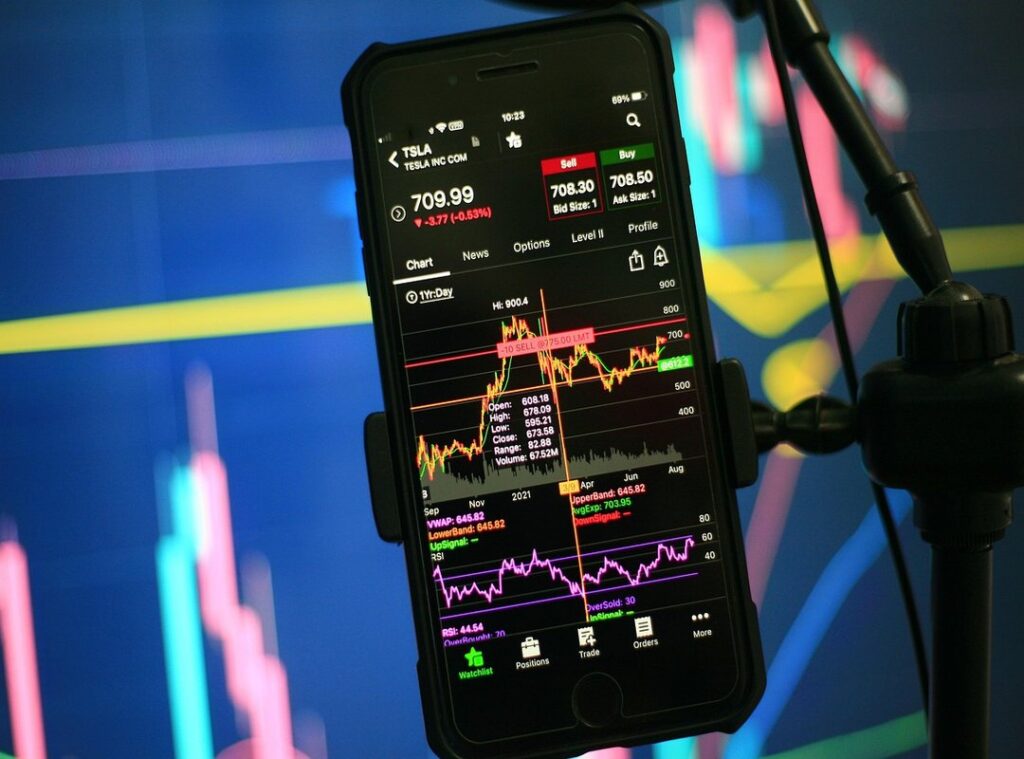
Market fluctuations can throw anyone off balance. I’ve been there, trying to make sense of sudden changes and their impact on business. You might be wondering, why does it matter?
Well, understanding market fluctuations analysis helps you make smarter decisions.
This isn’t just a bunch of numbers; it’s about grasping trends that could make or break your plan. I’ll share takeaways that cut through the noise. You’ll learn how to spot patterns, anticipate shifts, and adjust your approach.
I’ve seen firsthand how effective analysis can lead to better outcomes. I want to equip you with the tools to get through these ups and downs confidently.
By the end of this article, you’ll have a clearer picture of market dynamics and actionable strategies to stay ahead. Let’s dive in and make sense of this complex space together. You’ll find that knowledge really is power in business.
Market Trend Assessment: Why Bother?
Market trend assessment is like having a crystal ball for your business. It’s the systematic process of identifying, analyzing, and forecasting shifts in market conditions and consumer behavior. This isn’t just some fancy jargon.
It’s about making smart moves, predicting future challenges, and spotting growth opportunities before they pass you by.
Companies used these assessments to tweak their distribution and sales strategies, staying ahead of the curve. It’s about gaining a competitive edge and cutting down risks. You don’t want to be the last one to know when the market takes a turn.
Why does it matter? Well, think about how businesses adapted to the rise of e-commerce. Those who didn’t jump on board were left behind.
Look, no one wants to waste money. Market trend assessments help in optimizing resource allocation and fostering innovation. It’s like your secret weapon for enhancing long-term resilience.
You can even tie this back to adapting consumer behavior shifts.
In a world full of market fluctuations analysis, knowing what’s coming can mean the difference between thriving and just surviving. So, do you want to be ahead or always playing catch-up? The choice is yours.
Decoding Market Trends: Takeaways You Can’t Ignore
When I think about market trends, it’s like piecing together a puzzle that never stops changing. You know what I mean? Let’s start with economic trends.
Inflation, interest rates, GDP growth (these) aren’t just numbers. They directly hit demand and your wallet (or your business’s, anyway). Then, you’ve got technological shifts like AI and blockchain ready to turn the world on its head.
But don’t sleep on social and cultural trends. Changes in demographics and lifestyle choices? They can flip product preferences overnight.
Political and regulatory changes are another beast. New laws and trade policies can open doors or slam them shut (sometimes without warning). And let’s not forget environmental factors.
The push for sustainability isn’t just trendy; it’s becoming important. Resource scarcity could strangle supply chains if you’re not careful.
All these elements intertwine, forming a complex web. But here’s the kicker: market trends aren’t just noise. They’re key for any serious market fluctuations analysis.
This isn’t just theory. The business environment is shaped by these shifts. Ignore them at your peril.
Understanding them can mean the difference between success and failure.
Market Trend Assessments: Your Blueprint
Step one in conducting a market trend assessment? Define your objectives. You’re not just chasing data for fun (who does that?).
Be clear about what you want to achieve. Are you gearing up for a new product launch, or perhaps considering a strategic pivot? Knowing your endgame will guide every subsequent step.
Next, gather relevant data. This means pulling information from industry reports, government stats, and even competitor analysis. Don’t ignore customer feedback either (it’s) gold.
The more diverse your sources, the richer your takeaways. Ever peeked at Global Economic Trends Impact for some perspective?
Now, analyze that data. Use SWOT and PESTEL analyses if you want to dig deep. Spot trends and anomalies using correlation analysis.
You’re looking for patterns, right? This is where the magic happens.
Then, interpret and forecast. Translate raw numbers into actionable takeaways. How do these trends affect your business?
This might just be the most thrilling part of your market fluctuations analysis.
Finally, report and integrate your findings. Share takeaways clearly with stakeholders. This isn’t about showing off spreadsheets; it’s about influencing plan and action.
Make your data count.
Important Tools for Trend Analysis
When it comes to market fluctuations analysis, I can’t stress enough the value of solid data. Market research reports are absolute gold. You want to get your hands on those from reputable firms like Gartner and Statista.

Why? They lay out industry trends and forecasts with impressive detail.
Government data is key, too. Census bureaus and labor statistics departments? They’re your go-tos for the big-picture numbers.
Dive into macroeconomic indicators and demographic shifts. It’s not just about numbers (it’s) about understanding the story they tell.
Industry publications are another must-have. If you’re like me, you crave niche takeaways and emerging tech updates. Subscribe to trade journals dedicated to your field.
It’s like having an expert whispering the latest secrets in your ear.
They capture the public’s mood. See what’s driving consumer interest in real-time.
Don’t forget digital analytics tools. Google Trends shows you what’s hot right now. Social media listening platforms?
Competitor analysis is eye-opening. Tools that track rival strategies reveal market movements. You see what’s working for them.
And maybe what isn’t.
And, of course, never underestimate feedback from customers. Surveys and focus groups reveal evolving preferences firsthand. Cross-reference all this data to make sure it’s spot-on.
You don’t want to make decisions based on shaky info, do you?
Navigating Market Challenges: Strategies for Success
Ever feel swamped by data overload? We’ve all been there. The trick is filtering out noise and focusing on what matters.
Sure, biases can sneak in when interpreting trends. Keep your analysis objective by challenging your own assumptions. It’s too easy to follow the same old patterns.
But guess what? Trends shift rapidly. Staying agile and continuously monitoring helps you stay ahead.
Limited resources? Join the club. But even with constraints, you can make a big impact.
Regular monitoring is key. Don’t just rely on one-off analyses. A continuous cycle of assessment keeps you on your toes.
And don’t forget collaboration. Get takeaways from marketing, product, and finance. Different perspectives make a difference.
Let’s talk scenarios. Planning for various futures? It’s a game-changer.
It builds resilience and prepares you for whatever comes next. And always focus on actionability. Takeaways should lead to real, implementable strategies.
Pro tip: Test your assumptions regularly. Be ready to pivot as trends evolve. Market fluctuations analysis isn’t static.
It’s a dance with change. Adaptation is not just recommended (it’s) important. Keep your strategies flexible, and you’ll thrive even in changing environments.
Navigating Change with Confidence
Market trends shape your business’s future. Ignoring them can lead to stagnation and failure.
I know you don’t want that.
A systematic approach to market fluctuations analysis turns uncertainty into opportunity. You can gain a competitive edge if you actively understand these shifts.
Start today. Set up a continuous assessment process.
Don’t let your competitors pull ahead while you stay stagnant.
It’s time to proactively shape your future.
Take action now. Analyze the market, adapt your strategies, and position yourself for success.
You’ve got this. Let’s move forward together. Call now to get started.
