

Are you tired of making decisions that lead to dead ends? You’re not alone. Many professionals stumble through choices without a solid plan.
That’s where data strategic planning comes in. It’s the backbone of smart decision-making.
I’ve seen it transform businesses from chaos to clarity. When we rely on data, we make informed choices instead of educated guesses.
In this article, I’ll share practical takeaways and strategies that can help you use the power of data. You’ll discover how to integrate data into your planning process and raise your business plan.
I’ve consulted industry leaders and researched best practices to give you reliable information. This isn’t just theory; it’s grounded in real-world application. By the end, you’ll have a clear roadmap to effective data strategic planning.
Ready to take control? Let’s dive in and turn your data into a solid ally.
Get Smart with Data: Strategic Planning
Strategic data management planning isn’t just a fancy phrase. It’s the process of aligning data assets with business goals. Why bother?
Because data isn’t just numbers. It’s a strategic asset that fuels decision-making, sparks innovation, and supports growth.
Think of it this way: collecting customer data is one thing, but planning how to use it is where the magic happens. You can personalize experiences, predict trends, and even develop new products. That’s data strategic planning in action.
Basic data management is like storing your stuff in a closet. Strategic planning is building a system that makes your data work for you. It’s about value creation, not just storage.
What are the essentials? Data governance, quality, security, and architecture. Each of these elements in crafting a solid plan.
Curious about how to apply these takeaways? Check out Decoding Competitor Analysis Techniques to see how data can inform your plan.
In the end, treating data as a strategic asset is more than a trend. It’s a necessity. Are you ready to make your data work harder for you?
That’s the real question.
Data Done Right: Fueling Growth and Resilience
Data strategic planning isn’t just a buzzword. It’s the backbone of smart business decisions. When your data is organized, you’re not just guessing.
You’re making informed calls in sales, marketing, operations, and finance. That’s how you get results.
Let’s talk innovation. With accessible data, spotting new market opportunities becomes second nature. You can develop competitive products and improve services.
It’s like having a superpower in your back pocket (not literally, obviously).
Efficiency is another win. By reducing data redundancies and improving accuracy, you simplify workflows. This cuts costs.
Who doesn’t want that?
Then there’s the ever-present need for regulatory compliance. Keeping up with laws like GDPR and CCPA isn’t optional. A strategic data plan helps you get through these waters and protect sensitive information.
It’s not just about avoiding fines. It’s about building trust.
Consider how businesses use superior data takeaways to understand customers and anticipate market shifts. They don’t just compete. They outperform.
Think of the brands you admire (chances) are they’re data-driven.
And let’s not ignore customer trust. A strong data plan means better security, personalization, and transparency. Customers notice.
They care. In a world where data breaches make headlines, this is huge.
In short, effective data management is your secret weapon. It fuels growth and resilience, plain and simple. So, are you managing your data, or is it managing you?
The Core of Data Plan: Building Blocks
When it comes to data governance, it’s all about setting the rules. Who’s responsible for what? This is key for any organization aiming for consistency and accountability.
Without it, you’re just swimming in chaos. Does that sound fun?
Next, let’s talk about data quality. Ever dealt with duplicate records or errors in your reports? It’s a nightmare.
Poor data quality can wreck business intelligence and decision-making. Why settle for that? Accurate and complete data gives you a real edge.
Data security and privacy are non-negotiable. Protecting data from breaches and misuse is important. And don’t just take my word for it.
Check your compliance with data privacy regulations. Data encryption and access control are not just buzzwords; they’re lifelines.
Now, consider data architecture and integration. Systems need to be designed for smooth flow and accessibility. If your data’s stuck in silos, you’re not doing it right.
Data lifecycle management is the unsung hero. From creation to deletion, every stage needs attention. Manage it well, and you’ll see efficiency soar.
Finally, data literacy and culture. Can your team interpret data effectively? They should.
Fostering a data-driven culture is not just about tech; it’s about people. Data strategic planning isn’t just a buzzword. It’s the backbone of smart decision-making.
Mastering Data Management: Your Important Guide
Let’s not overcomplicate things. Step one, assess your current data space. You can’t build without knowing what you’ve got.
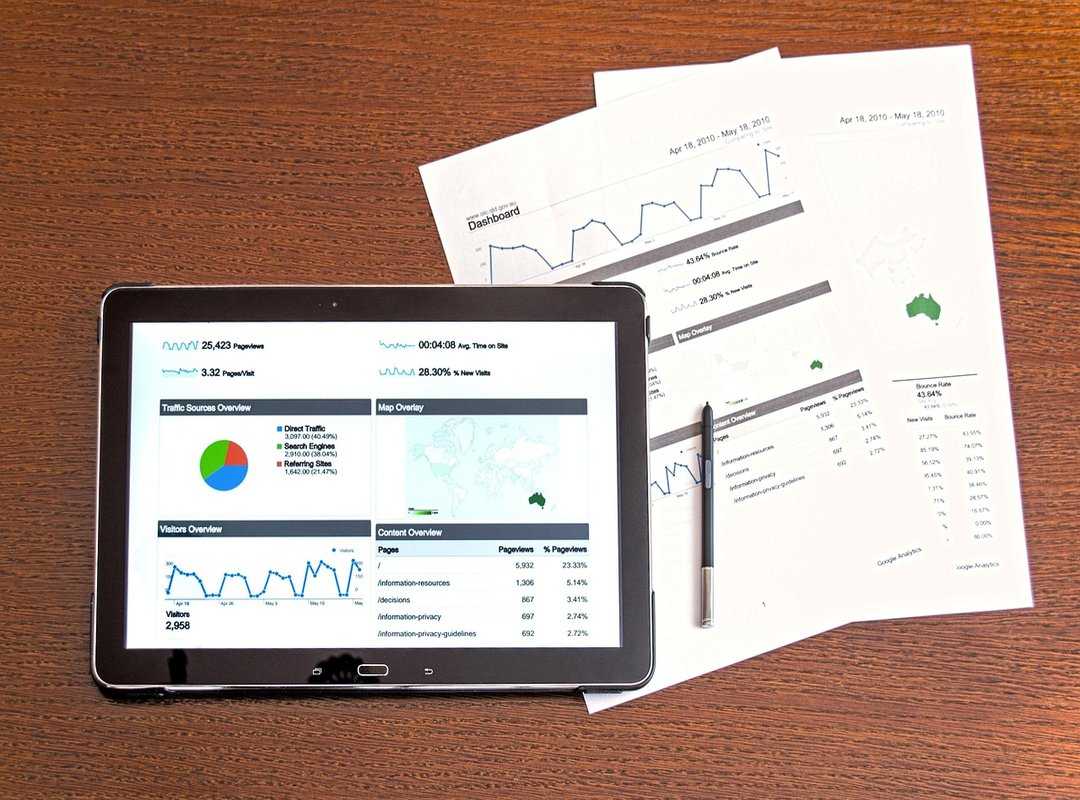
Look at your assets, systems, and practices. Spot those strengths and weaknesses. You’ll be surprised at the gaps you find.
Next, define clear business objectives. Your data must fuel your goals. Otherwise, what’s the point?
Align your data initiatives with your company’s strategic priorities. This ensures you’re not just busy but productive.
Identifying and engaging key stakeholders is key. You need buy-in from IT, legal, and leadership. Without their diverse perspectives, you’re flying blind.
Trust me; you don’t want that.
Develop strong data governance policies. Lay down clear guidelines for ownership, access, and quality standards. This isn’t a suggestion.
It’s an absolute necessity for any serious data strategic planning.
Now, design your data architecture and technology roadmap. Think about scalability and integration. Your infrastructure should adapt as you grow.
Cloud solutions and analytics tools are your friends here.
Don’t skip data quality and security implementation. Cleanse, validate and secure your data like your business depends on it (because it does). Plan for ongoing monitoring too.
Finally, set up, monitor, and iterate. Use KPIs to track progress. Make iteration a habit.
It’s about fostering a culture of continuous improvement. Don’t get complacent. Keep pushing for excellence.
Tackling Data Management Hurdles: Real Solutions
Data silos drive me nuts. They’re everywhere, blocking information flow like a stubborn dam. I say, break them down with enterprise-wide integration platforms.
Get teams talking. No more hoarding data like it’s gold.
Then there’s the lack of data literacy. It’s a killer. Invest in training programs.
Make data approachable for everyone. You want a data-driven mindset? Train for it.
But wait, resistance to change? That’s a classic. Communicate benefits clearly.
Get strong executive support.
Budget constraints? Start small. Show ROI with high-impact, low-cost projects.
And the chaos of rapid data growth? Flexible infrastructure is your friend. Use automation and agile practices.
For more on new sales strategies startups, explore our resources.
Future-Proof Your Business Today
Embracing data strategic planning is important. Without a clear plan, you risk falling behind competitors and mismanaging your most valuable assets.
A solid plan ensures your data is accurate, accessible, and secure. It drives smart decisions and fuels sustainable growth.
So why wait? Start assessing your current data space now. Proactively developing a strong data management plan isn’t just an option; it’s a necessity.
Take control of your data today. Want to stay ahead of the curve? Begin your journey towards clarity and success.
Your business deserves it. Don’t let chaos hold you back.
