
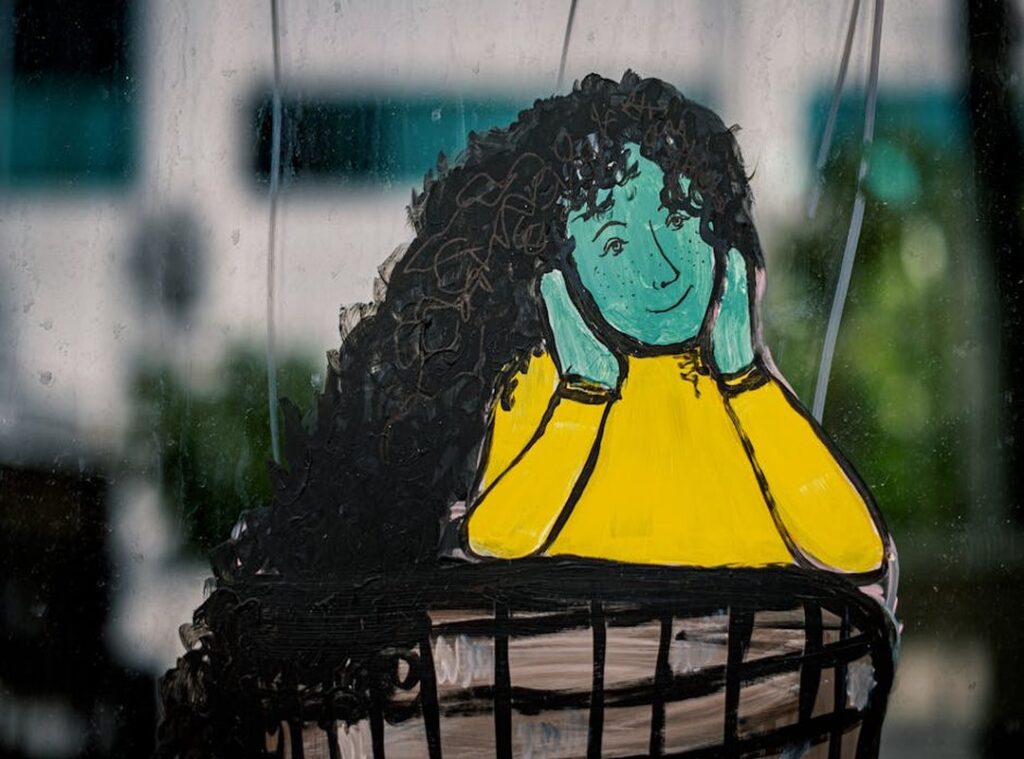
The negrita mazamorrera is a vibrant and iconic figure from Peruvian folklore. She’s not just a street vendor; she’s a symbol of Lima’s colonial history and cultural traditions.
In this guide, you’ll learn the history behind this character. You’ll also get a simple, step-by-step tutorial on how to create your own negrita mazamorrera dibujo.
We’ll break down the key visual elements and provide clear drawing instructions. Plus, we’ll explore the lasting significance of this character.
Ready to dive in? Let’s get started.
Who Was the ‘Mazamorrera’ of Old Lima?
Colonial Lima was a bustling city, and street vendors, or pregoneros, were a common sight. Among them, the mazamorrera stood out. She was often a woman of African descent, known for selling mazamorra morada, a traditional purple corn dessert.
Every day, she walked the streets, her distinctive song or cry, the pregón, announcing her sweet wares. It was a sound that became part of the city’s rhythm, a familiar and comforting melody to the locals.
The mazamorrera wasn’t just a vendor; she was a symbol of the city’s vibrant street culture. Her presence blended culinary tradition with social history, making her an integral part of Lima’s identity.
Art and literature immortalized this figure. Peruvian artist Pancho Fierro captured her in his watercolors, showing daily life in 19th-century Lima. His works are a window into the past, revealing the mazamorrera as a key character in the city’s narrative.
mazamorrera dibujo is a term you might come across, referring to these artistic depictions. They show a woman, often with a wide-brimmed hat and a colorful dress, carrying a large pot of mazamorra morada.
In my opinion, the mazamorrera represents more than just a dessert seller. She embodies the spirit of resilience and cultural fusion that defined colonial Lima. Her story is a reminder of the rich, diverse heritage that shaped the city.
Capturing the Classic Look: Essential Drawing Elements
When it comes to drawing a negrita mazamorrera dibujo, you might think it’s all about the vibrant colors and intricate details. But there’s more to it than meets the eye.
- Focus on the Clothing: Start with the long, colorful skirt (pollera). It’s not just about the color; the way it flows and moves is crucial. Pair it with a simple white blouse and an apron. The simplicity of the blouse contrasts beautifully with the lively skirt.
The headwear is often overlooked but is a key element. A knotted headscarf or bandana (pañuelo) can add a touch of authenticity. It’s not just an accessory; it tells a story of tradition and culture.
Props are essential too. The large pot or bowl of mazamorra she carries, often balanced on her head or hip, and a ladle for serving. These aren’t just objects; they symbolize her role and the effort she puts into her work.
Her posture and expression are what bring the drawing to life. Often depicted with a friendly smile, in motion as if walking and calling out to customers. This dynamic pose captures the essence of her daily routine and her connection with the community.
But here’s the thing. Don’t get too caught up in the details. Sometimes, less is more.
Focus on the overall feel and movement, and the rest will fall into place.
Your Guide to Drawing the ‘Negrita Mazamorrera’ in 5 Easy Steps
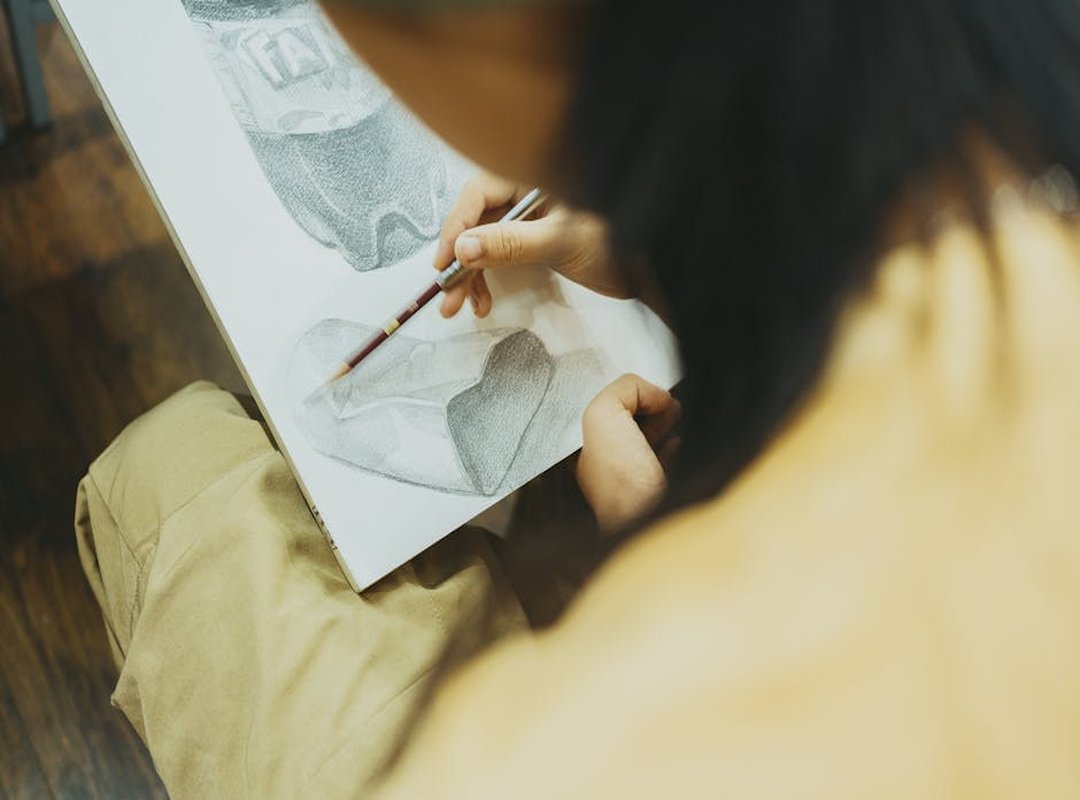
Drawing the negrita mazamorrera can be a fun and rewarding experience. Let’s break it down into simple steps. Defstupgamible
Start with basic shapes to build the pose. Use a simple stick figure or ovals to outline the head, torso, and the dynamic position of the hips and legs to show movement.
Sketch the clothing. Draw the flowing shape of the skirt around the legs, add the blouse, and wrap the pañuelo around the head. Think of the way the wind might catch the fabric, like in those old Western movies.
Add the key accessories. Place the large pot of mazamorra on her head or held in her arms, and draw the ladle in her hand. This is where you can get creative—imagine the scene from a classic Disney movie where the character is about to serve up something delicious.
Refine the details. Add facial features with a warm expression, sketch folds and patterns on the clothing, and define the hands and feet. The face is key here; think of that warm, inviting smile you see in your favorite childhood storybooks.
Ink and color. Go over your final pencil lines with a pen. Use a vibrant color palette—bright reds, yellows, and blues for the skirt and headscarf—to bring the drawing to life, and a deep purple for the mazamorra.
It’s like adding the finishing touches to a masterpiece, just like in those art tutorials you see on YouTube.
Follow these steps, and you’ll have a beautiful negrita mazamorrera dibujo in no time. Enjoy the process and let your creativity flow!
More Than a Drawing: The Enduring Legacy in Peruvian Culture
You know, it’s frustrating when a symbol that means so much to a culture gets overlooked. But the negrita mazamorrera isn’t just any symbol. She’s a beloved figure in modern Peru.
You see her everywhere. In festivals, school projects, and folk art. She’s more than just a drawing; she’s a representation of Peruvian identity and tradition.
Drawing this character is a way to connect with and celebrate the country’s rich history and culinary heritage. It’s like a small act of reverence, a nod to the past.
But it’s not all rosy. Sometimes, the evolution of her representation can be a bit contentious. People argue about how she should look, what she should wear, and what she represents.
It’s important, though. Acknowledging the Afro-Peruvian contribution to the nation’s culture is crucial. It’s a reminder that our history is diverse and complex.
So, next time you see a negrita mazamorrera dibujo, take a moment. Think about the layers of history and the stories it holds.
Connecting with History Through Your Art
The journey from understanding the historical figure to creating a drawing of her is both enlightening and inspiring. Each step deepens your connection to the past. negrita mazamorrera dibujo stands as a powerful symbol of tradition and resilience.
Consider using the steps provided to create your own artwork. Share it with others to spread the rich cultural heritage.
Try drawing other ‘pregoneros’ of Lima to further explore Peruvian culture through art.
